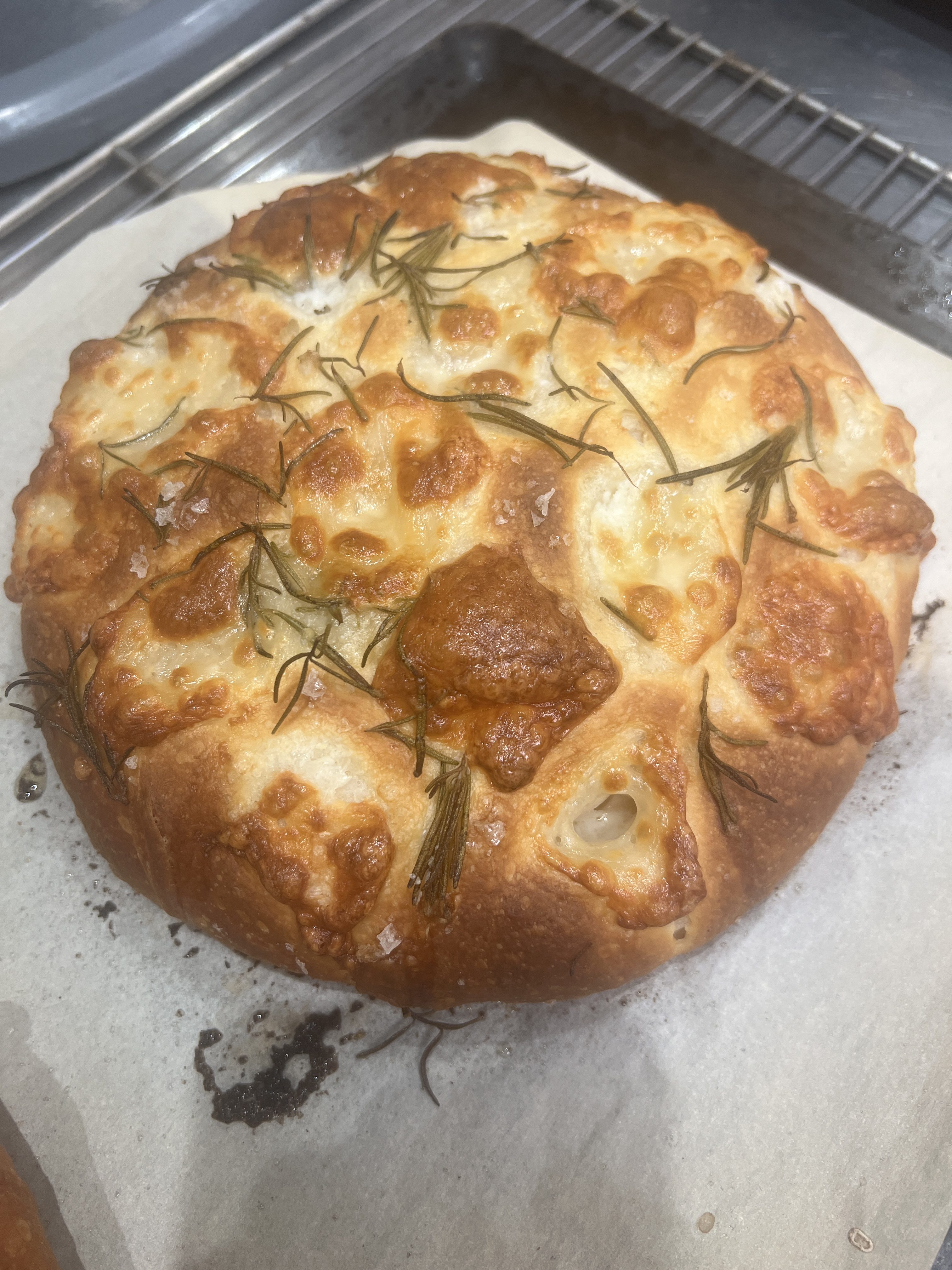
In bread making, small details often change everything. Basinage water is one such technique: holding back part of the water during mixing and adding it later. Simple in theory, but powerful in practice.

What Is Basinage?
Basinage is a method where you reserve a portion of the dough’s total hydration, usually 5–10%. You incorporate it only after the gluten network has started to form. Instead of beginning with a fully hydrated dough, you start with something firmer and more manageable. The remaining water is then gradually worked in until fully absorbed.
Why Bakers Use It?
- Improved handling: Stiffer dough is easier to mix and shape at the start.
- Stronger gluten: Adding water later helps create extensibility without weakening the structure.
- Open crumb: Especially effective in breads where lightness and irregular holes are desired.
The Science Behind It
When flour first meets water, enzymes and proteins begin their work. Glutenin and gliadin proteins form bonds that create the gluten network. If too much water is present immediately, this process can be harder to control. By delaying part of the hydration, gluten has a chance to develop in a more stable environment. Once that framework exists, extra water can be added without collapsing the structure.
Where Basinage Is Used
Basinage is particularly useful in high-hydration breads such as:
- Ciabatta – for its signature open crumb and airy texture.
- Focaccia – to keep the dough supple yet easy to handle.
- Baguette – to achieve extensibility and oven spring.
- Rustic sourdough loaves – where dough strength and hydration balance are critical.
Bakers can begin with a dough that feels firmer. They can then add water gradually. This method allows them to push hydration higher than usual without losing control.

Conclusion
Basinage is a small adjustment, but it demonstrates the precision of baking. Timing, even with something as simple as water, can shape the texture, structure, and final character of bread.



Leave a Reply